
Potty Training a Puppy
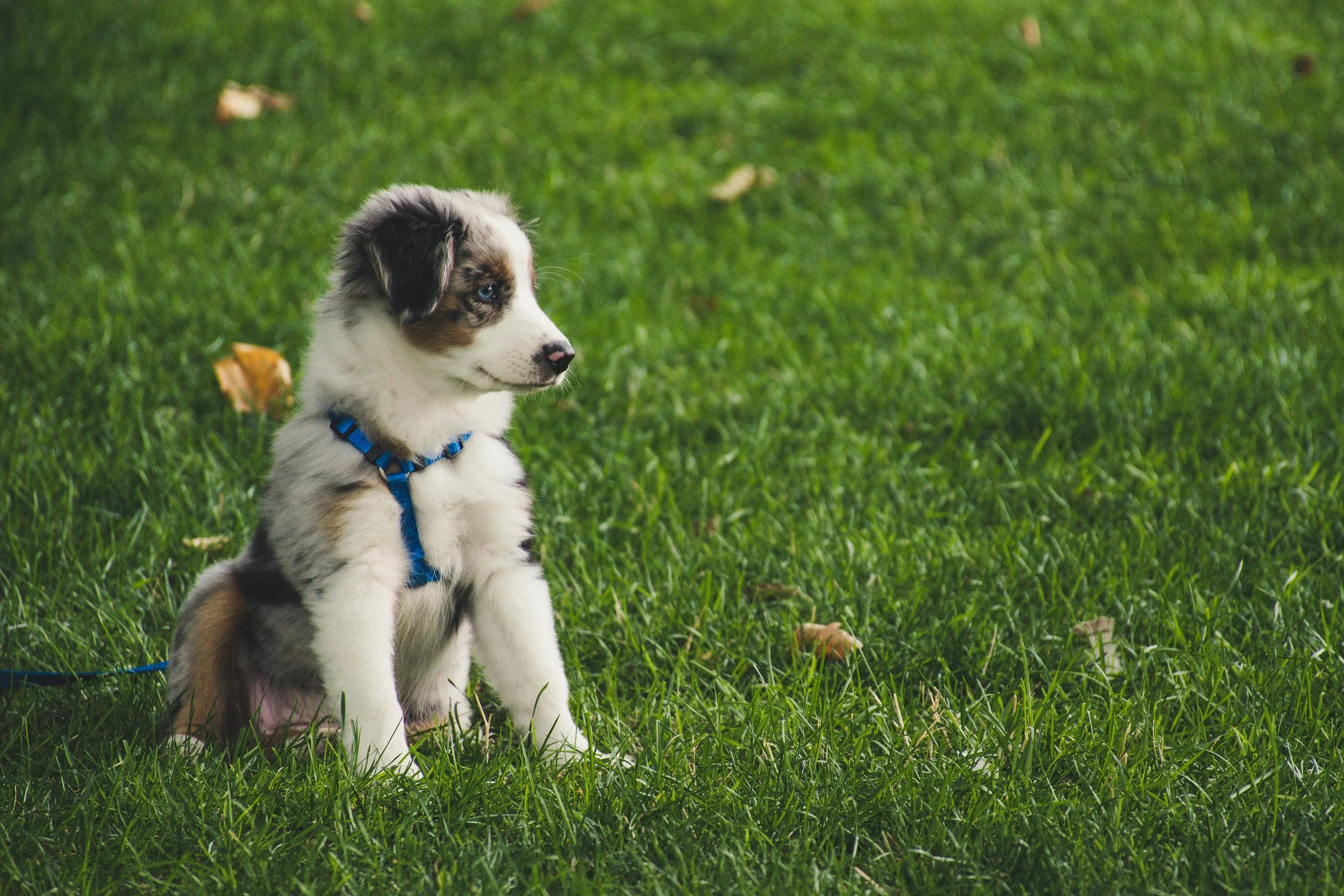
Bringing home a puppy in New York City is exciting—but potty training can quickly feel overwhelming. Between apartment living, elevator waits, and busy sidewalks, even simple routines take more planning.
If you’re learning about potty training a puppy, it helps to know this: accidents are normal. They’re not a sign your puppy is being stubborn or that you’re doing something wrong.
Potty training is really about routine, timing, and clear communication—built through positive reinforcement. When done well, it becomes less stressful and far more predictable.
What Potty Training Actually Means
Potty training isn’t just teaching your puppy where to go. It’s about helping them understand:
When to go
Where to go
How to tell you they need to go
Young puppies don’t have full bladder control. In fact, most puppies can only hold their bladder for about one hour per month of age. That means frequent trips outside are essential.
With a positive reinforcement approach, you’re not correcting mistakes—you’re rewarding the right behavior, so your puppy learns what works.
How Long Does It Take to Potty Train a Puppy?
One of the most common questions is: how long does it take to potty train a puppy?
Most puppies:
Start to build good habits within 2–4 weeks
Become more reliable over 3–6 months
However, this varies based on:
Age
Breed
Consistency of routine
Environment (city vs. home with a yard)
Progress isn’t always linear. Some days will feel like a step back. That’s part of the process.
Step-by-Step Guide to Potty Training a Puppy
Create a Consistent Routine
Take your puppy out:
First thing in the morning
After meals
After naps
Before bedtime
Predictability helps your puppy learn faster.
Reward Immediately (Positive Reinforcement)
The moment your puppy goes outside:
Offer a treat within seconds
Use calm praise
This timing is critical. It helps your puppy connect the behavior with the reward.
Learn Your Puppy’s Signals
Common signs include:
Sniffing the ground
Circling
Suddenly wandering off
When you spot these behaviors, be sure to take them straight outside if you can. Or, place them on a puppy pad if you can’t get outside quickly.
Handle Accidents Calmly
Accidents will happen.
When they do, just stay neutral, clean thoroughly, and avoid any forms of punishment.
Research from the American Veterinary Society of Animal Behavior shows that punishment can increase fear and slow learning, especially in young dogs.
Housebreaking a Puppy in NYC
Housebreaking a puppy in New York City comes with unique challenges:
Elevators and delays getting outside
Limited green space
High levels of stimulation
To make it easier:
Use the same potty spot consistently
Keep outings calm and focused
Carry your puppy outside early on if needed
Overstimulation can make it harder for puppies to focus. A calm environment helps them learn faster.
Potty Training in an Apartment
Potty training in an apartment—especially in NYC—comes with its own challenges. Without immediate outdoor access, even getting your puppy outside can take time.
For young puppies who can’t hold it long, alternatives like puppy pads or fake grass patches can be helpful. These options give your puppy a consistent place to go when getting outside quickly isn’t realistic.
Common Potty Training Mistakes
Most potty training setbacks come from simple misunderstandings:
Inconsistent schedules
Giving too much freedom too soon
Punishing accidents
Expecting progress too quickly
These are common—and fixable. Potty training improves when structure and consistency are in place.
Does Your Puppy Need Some Extra Help?
Sometimes, extra guidance makes all the difference.
You might benefit from support if:
Accidents are frequent with little progress
Your puppy isn’t signaling
The process feels stressful or confusing
Working with experienced trainers can help you build a routine that works in real life—not just in theory.
At Far Fetched Acres, puppy training focuses on positive reinforcement, structure, and real-world application. Support is available both through immersive board and train programs, as well as in-home training, helping you carry progress into your everyday routine.
Are you looking for extra support from our trainers at Far Fetched Acres?
Frequently Asked Questions About Potty Training a Puppy
How long does it take to potty train a puppy?
Most puppies begin to understand the routine within a few weeks, but full reliability can take several months. Consistency is the biggest factor.
What is the fastest way to potty train a puppy?
There’s no shortcut—but a consistent schedule, close supervision, and immediate rewards will speed up the process significantly.
Can you potty train a puppy in an apartment?
Yes. With structure, routine, and planning around your building and schedule, apartment potty training is absolutely achievable.