
How to Find a Dog Trainer: A Guide for NYC Pup Parents Looking for Positive Reinforcement Training
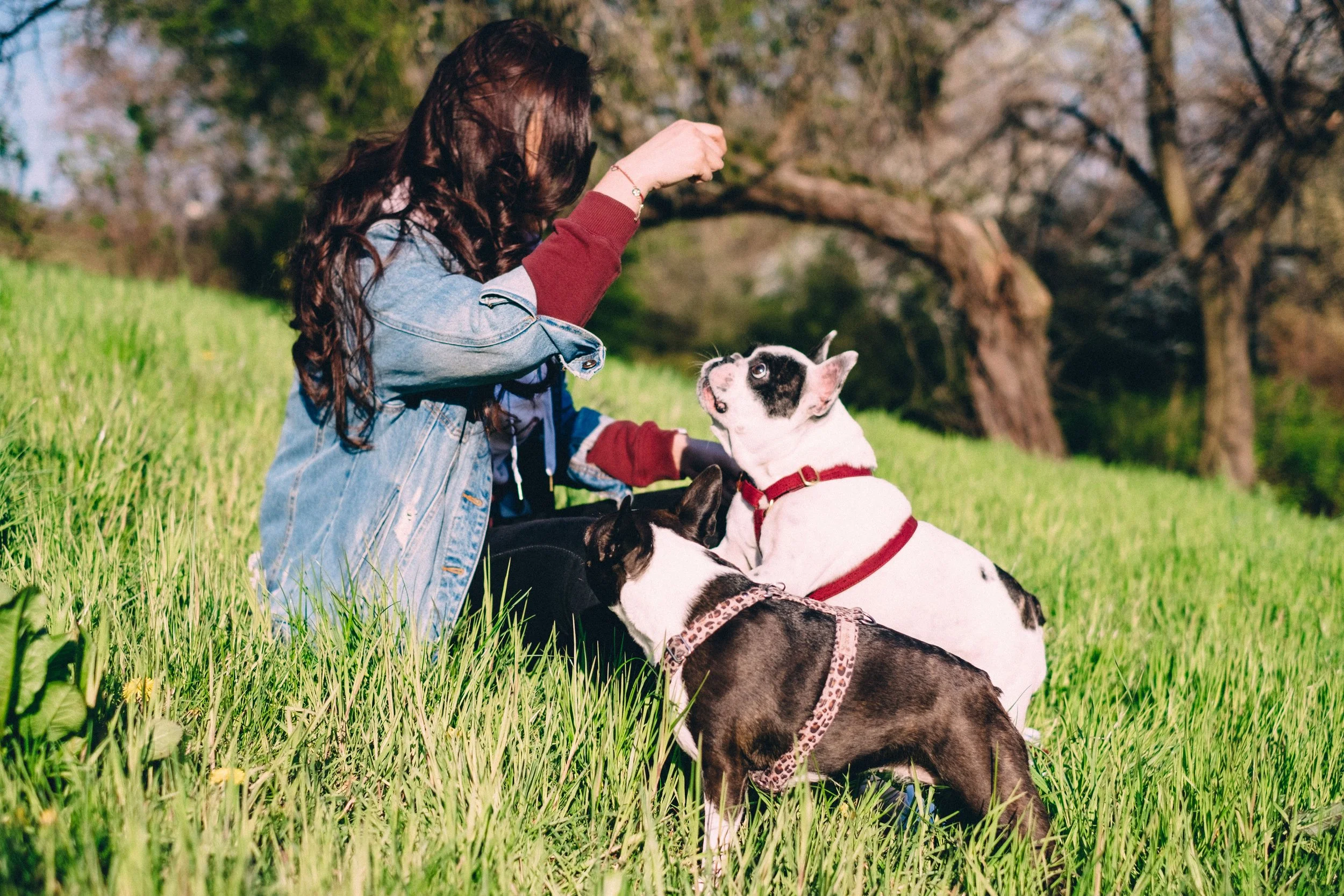
If you’re searching for a dog trainer, chances are something feels challenging right now—your dog may be pulling on walks, barking at every sound, reacting to other dogs, or eating food dropped on the sidewalk.
While these challenges aren’t unique to city dogs, the underlying causes may be different from those faced by dog owners in rural Nebraska. In a busy urban setting, chronic stress and overstimulation may be at the root of your pup’s perceived disobedience.
A good dog trainer will understand your dog’s nervous system—and how city life shapes behavior. If that’s what you’re looking for, keep reading.
The Reality of Urban Life for Dogs
Big city life is thrilling for humans. For dogs, it can be relentless.
Tight sidewalks. Constant dog encounters. Traffic, sirens, delivery carts. Many city dogs move from stimulus to stimulus.
When a dog never gets true recovery time, stress hormones stay elevated. Cortisol builds. Decision fatigue sets in. And small triggers start to feel big.
This context is often overlooked when people search for how to find a good dog trainer. Behavior doesn’t happen in a vacuum—it happens in an environment.
Early resilience matters, too. Thoughtful exposure during puppyhood can make an enormous difference in how dogs handle city life. If you’re raising a young dog, early socialization and training lays the foundation for long-term confidence.
Is It Overstimulation or Disobedience?
It’s a common pattern:
A dog appears defiant. The owner goes to find a dog trainer. The trainer applies corrections. The behavior quiets down. But the stress underneath remains.
A trainer who focuses only on control without addressing the dog’s emotional needs may quiet the noise—but not solve the problem.
What Urban Dogs Need
When the nervous system settles, learning sticks. Find a trainer who stresses calm, structured exposure over high-pressure drills.
In some cases, stepping away from constant city stimulus can accelerate progress. Immersive dog boarding and training programs allow dogs to regulate first, then learn.
If you’re staying within city limits, make sure you take your dog on regular decompression walks where nothing is demanded of them. Simply give them space to move, sniff, and reset.
Personalized programs that address both behavior and environment make the biggest impact. That’s why thoughtful, relationship-based professional dog training looks at the whole picture—not just the symptom.
How to Find a Good Dog Trainer With Urban Experience
If you’re trying to find a dog trainer in NYC, the questions you ask matter.
Do they talk about thresholds and recovery time?
Do they adjust the environment before escalating tools?
Do they understand decompression?
Do they build exposure gradually instead of flooding a dog with triggers?
A trainer who focuses only on commands without discussing emotional capacity is a red flag.
Quality dog and puppy training programs prioritize confidence, not just cues.
"At Far Fetched Acres, we think like dogs,” says Sara Munson, Director of Behavior and Training Development. That means designing everything—from schedules to playgroups—around how they naturally move, rest, and relate."
When you’re deciding how to find a good dog trainer, listen for language around safety, regulation, and relationship—not dominance or control.
The Right Trainer Sees the Nervous System—Not Just the Behavior
If you’re figuring out how to find a dog trainer, look for someone who understands overstimulation—especially in a city like New York.
The best trainers build dogs up through positive reinforcement. They don’t shut them down through punishment.
They create safety first. Then skill.
If you’re ready for thoughtful, behavior-first support, schedule a dog training consultation and let’s talk about what your dog truly needs.
FAQs About Training City Dogs
How do I know if my dog is reactive or just overwhelmed?
Reactivity often looks like lunging, barking, or freezing. The key question is recovery time. Does your dog settle quickly once distance is created? Or do they stay on edge long after the trigger passes?
Dogs who struggle to recover may be operating beyond their threshold repeatedly. A skilled trainer will assess nervous system capacity before labeling behavior.
Can dogs learn to cope with overstimulation in the city?
Yes. But resilience must be built gradually.
Improvement comes from layering calm experiences, expanding thresholds slowly, and allowing real decompression. When dogs feel safe, they adapt.
When is a board-and-train program the right choice for city dogs?
If the focus is regulation, not suppression.
A well-designed board and train program gives dogs space to reset, structured exposure, and consistent, force-free guidance. Without decompression, intensive training can overwhelm an already stressed nervous system.
The goal isn’t just better behavior. It’s a more confident, resilient dog.
What is positive reinforcement in dog training?
Positive reinforcement dog training uses rewards immediately following a desired behavior to increase the likelihood of it being repeated. The rewards can be treats, praise, play, or toys—whatever your dog responds to best. They should be delivered within 1-2 seconds of the desired behavior for maximum effectiveness. This strengthens the bond and encourages good behavior without punishment.