
What Is Dog Daycare? A Pet Parent’s Guide to Finding the Right Fit
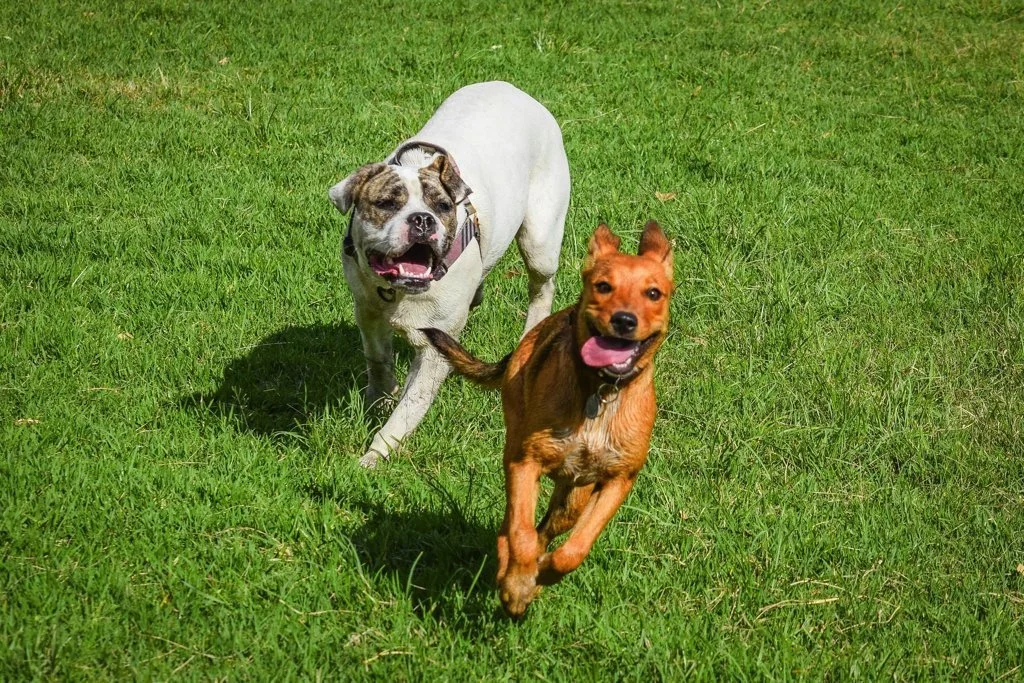
Your calendar is full, your phone won’t stop pinging, you’re commuting into the office, or juggling errands—and your dog’s giving you the “so… playtime?” eyes. If you’re wondering what is dog daycare, this guide breaks down how it works, who it’s best for, safety must-haves, costs, enrichment options, and how to choose the right fit.
So What Is Dog Daycare, Exactly?
Dog daycare is daytime care (not overnight) where dogs are supervised, exercised, and mentally engaged while you’re away. It’s different from dog walking (short visits), pet sitting at home, anddog boarding (overnight stays or training retreats). Daycares can be indoor playrooms, outdoor yards, boutique setups, or larger facilities. In a well-run program, safety, structure, and appropriate play—not “let them loose and hope”—set the tone.
Types of Dog Daycare: Social, Structured, and Enrichment-Focused
Social daycare: Dogs rotate through medium-to-large playgroups with lots of free play. This can be a joy for very social, resilient dogs who love constant activity. If not well-managed, sensitive dogs may experience over-arousal, fatigue, or stress.
Structured daycare: Smaller groups with set play/rest blocks and simple training woven into the day. The focus is on calm transitions, polite manners, and handlers skilled in reading body language.
Enrichment-based daycare: Shorter play bursts paired with targeted dog daycare enrichment activities—think puzzle feeders, nose-work games, and training stations. It’s ideal for brainy dogs or pups who benefit from a calmer pace.
Most quality facilities blend these approaches. When you tour, ask how they structure play and rest, not just how big the space is.
What Happens at Dog Daycare? A Typical Day
Drop-off: Check-in plus a quick wellness/behavior look and confirmation of vaccinations.
Temperament grouping: Dogs are placed with compatible friends by size, play style, and energy.
Play blocks: Supervised play with planned breaks to prevent overstimulation.
Rest time: Naps in quiet areas (sometimes crates or suites) so brains and bodies can reset.
Enrichment sessions: Short training bursts or brain games (more below).
Pick-up: A brief report on how your dog did, any notes, and a happy, pleasantly tired pup.
The goal is balance—play + rest + enrichment, not nonstop chaos.
Dog Daycare Enrichment Activities: More Than Just Fetch
“Enrichment” means activities that work the brain and nose, not only the legs. Expect to see:
Puzzle and slow feeders
Scent-work games (sniff-and-search, “find it”)
Simple agility or obstacle courses
One-on-one training bursts (sit, recall, loose-leash) using positive reinforcement
Why it matters: enrichment helps dogs settle faster, builds confidence, and supports pups who are shy or easily overwhelmed.
Benefits of Dog Daycare (and When It Helps Most)
Physical: Regular exercise, movement breaks, and support for healthy weight.
Mental: Novelty, problem-solving, and enrichment games.
Social & emotional: Supervised practice with dog–dog communication; confidence-building for slightly shy-but-social dogs; can ease mild separation stress when introduced thoughtfully.
For example, one adult rescue blossomed in small, well-matched groups, while a high-energy adolescent learned to nap after play thanks to a predictable routine. Daycare isn’t a magic fix, but it can be a valuable piece of a wellbeing plan.
Which Dogs Thrive in Daycare—and Which Should Skip It
Often a great fit: Healthy, social dogs who enjoy canine company; puppies/adolescents needing structured outlets; confident adults who get bored at home.
May struggle or need alternatives: Dogs with a history of aggression toward dogs; very anxious or noise-sensitive pups; seniors with mobility/medical concerns.
Alternatives to consider: In-home care, a dedicated dog walker, or quieter retreat-style programs focused on space and decompression.
Safety Standards Every Dog Daycare Should Meet
Use this checklist on your tour:
Clean, well-ventilated, hazard-free spaces
Secure fencing and double-gated entries
Clear vaccination requirements
Thoughtful staff-to-dog ratios (small groups per handler)
Handlers trained in body language and safe play interruption
Written emergency protocols and vet relationships
Regular cleaning/sanitation routines
Watch a playgroup: do dogs look loose and happy—or tense and overwhelmed?
How Much Does Dog Daycare Cost—and What Affects the Price?
While prices vary by location and services, the average cost of doggy daycare is around $30–35 per day (Yelp). What drives price:
Full day vs. half day
Add-ons (training, enrichment sessions, grooming, report cards)
Facility size, staffing, and urban vs. suburban location
Look at value beyond “cheapest”: strong safety practices, skilled handlers, small groups, and included enrichment often justify higher rates. Ask for a clear rate sheet and what’s included.
Beyond Dog Daycare: When a Dog Retreat Makes More Sense
Traditional daycare can be an excellent fit—especially for social butterflies and families needing weekday coverage. But some dogs truly exhale in a different environment: calmer pace, more space, smaller groups, and a deeper relationship with their care team.
If you’re an NYC dog parent looking for more than traditional daycare, there’s another option — not a daycare at all, but a true dog retreat. At Far Fetched Acres, dogs decompress on 127 acres designed for urban pups. Stays include all-inclusive care and enrichment (no upsells), led by trainer and behavior expert Colleen Safford and a force-free, relationship-based team.
Dogs enjoy daily grooming, personalized enrichment, structured play, and plenty of rest—plus complimentaryNYC dog transportation. Every stay follows the sametraining philosophy that guides all programs at Far Fetched Acres, helping dogs return home calmer and more connected.
“We designed this place to reduce arousal and meet every dog’s individual needs. I always say we want it to be a little boring—because 50+ content dogs sleeping peacefully after an amazing day means we’ve done our job.” — Colleen Safford, Founder & Head Trainer at Far Fetched Acres
