
What Is Board and Train for Dogs? A Guide for Curious Dog Parents
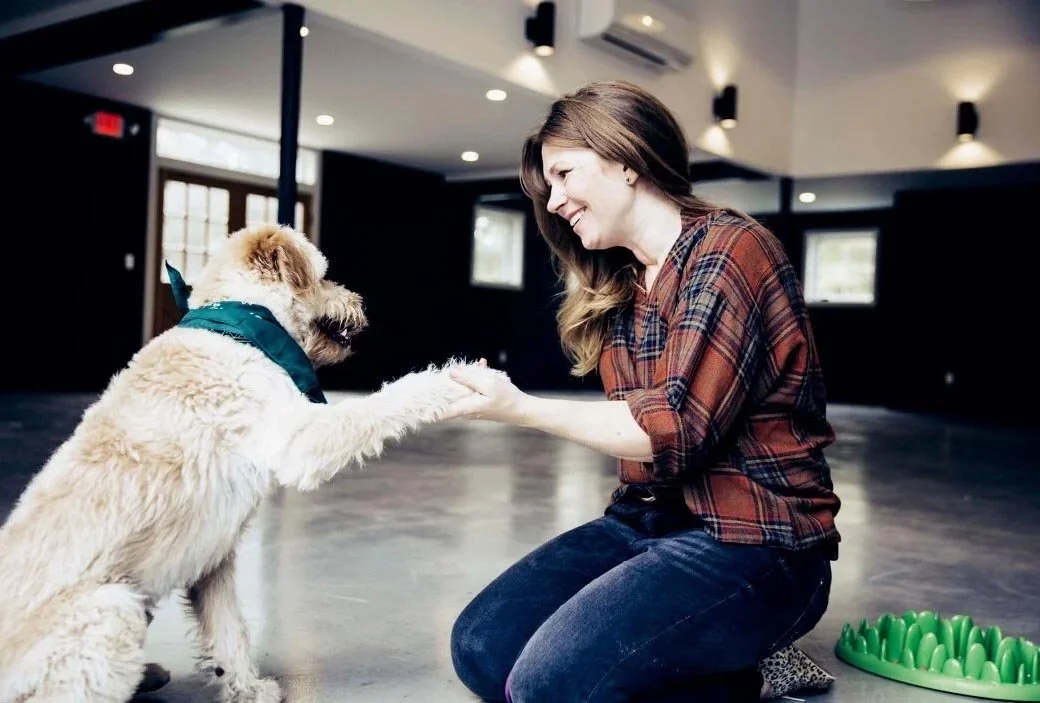
Board and train is when your dog stays with a professional trainer for a set period to build skills, confidence, and calmer habits in a consistent, structured environment. If you’ve been wondering what is board and train for dogs and whether it’s right for your pup, you’re in the right place.
How Board & Train Works: A Simple, Step-by-Step Breakdown
Think of this like your dog’s mini retreat with a plan. Here’s the journey from drop-off to pick-up.
Step 1: The Initial Assessment & Goal Setting
A reputable program starts with an evaluation call or session. Your trainer will ask about:
Behavior history and daily routines
Triggers or anxieties (people, dogs, noises, handling)
Your goals (calmer greetings, better leash skills, settling at home)
Medical needs and safety considerations
From there, the plan is customized—never one-size-fits-all. Force-free, behavior-aware trainers put emotional well-being first, so learning feels safe and doable from day one.
Step 2: Daily Training, Structure, and Enrichment
During the stay, dogs follow a predictable rhythm:
Short, reward-based training sessions a few times per day
Rest cycles to let new learning “stick”
Enrichment like sniff walks, puzzle feeders, confidence games, and calm decompression time
Thoughtful socialization in temperament-matched playgroups when appropriate
A steady routine—because dogs thrive on it
Humane programs avoid punishment and focus on teaching through safety, confidence, and trust.
Step 3: Communication & Progress Updates
Expect regular updates—texts, photos, or short videos—so you can see progress and ask questions. Transparent trainers welcome your input; staying looped in sets up a smoother transition home.
Step 4: Go-Home Lesson & Skill Transfer to the Owner
The handoff is crucial. You’ll learn:
How to use the same cues and handling your trainer used
Simple ways to reinforce calm routines
How to keep consistency without overwhelming your dog
Your habits at home matter as much as your dog’s progress at camp.
What Board and Train Can and Cannot Fix
Set expectations early and everyone wins.
What It Can Help With
Puppies who need strong foundations
Overstimulated city dogs who need structure and decompression
Mild-to-moderate reactivity
Leash pulling, jumping, and impulse control
Confidence-building for shy or fearful dogs
Dogs who flourish with predictable routines
Progress lasts longest when owners maintain structure at home.
What It Cannot Fix
Deep-seated fear or aggression that requires long-term behavior work
Situations where the home environment keeps rewarding the old behavior
Expectations of “perfection” without consistency from humans
Behavior problems caused by medical issues that need a vet’s care
Training builds skills; it doesn’t replace a dog’s personality.
Who Is a Good Candidate for Board and Train? (And Who Isn’t?)
Great candidates include puppies needing early exposure, dogs who need a “reset” from city overstimulation, pups struggling with routine or reactivity, and social butterflies who benefit from carefully guided play.
Dogs Who Tend to Thrive in Board and Train
Dogs who enjoy structure and clear routines
Dogs who are curious, shy-but-brave, or easily overstimulated and need practice downshifting
Dogs who benefit from pro-led socialization and quiet decompression time
Dogs Who May Need a Different Path
Dogs with severe aggression toward people
Dogs with untreated separation anxiety
Dogs with medical needs requiring hands-on monitoring
Owners seeking a “quick fix” without lifestyle changes
Ethical trainers will redirect these cases to the right support (e.g., veterinary behaviorists or customized at-home behavior plans).
How Much Does Board & Train Cost?
According to Pets Care News, programs commonly range from around $1,500–$5,000 or more nationally, depending on location and length of stay. The cost varies with trainer qualifications, program length, the environment (home-based vs. facility vs. countryside retreat), dog-to-trainer ratio, and whether enrichment, grooming, and follow-up support are included.
Extra-Smart Shopping: Safety, Welfare & Red Flags (Quick Checklist)
Healthy setup: Clean, calm housing; fresh water; climate control; vet relationships; separate spaces for rest and play.
Humane training: Force-free methods, no shock/prong/choke tools; emphasis on confidence, choice, and consent-based handling.
Qualified humans: Transparent credentials, continuing education, and supervised playgroups.
Owner support: Regular updates plus a hands-on go-home lesson.
Red flags: Guarantees of “perfection,” refusal to let you see where dogs live, reliance on punishment tools, no written plan or safety protocols, or pressure-y sales tactics.
Keep the Results Going at Home (Without Stress)
Keep cues and routines identical for the first few weeks
Use short training moments woven into daily life (meals, doorways, leash-ups)
Protect rest: calm decompression time prevents backsliding
Revisit your go-home notes and ask for help early—don’t wait for habits to unravel
Curious Whether Board & Train Is Right for Your Dog? Here’s How a Retreat-Style Approach Helps
Now that you understand what is board and train for dogs, you can see how a retreat-style experience helps dogs learn and decompress in a healthy, structured environment. Far Fetched Acres is a 127-acre countryside retreat designed for NYC dogs, founded by respected trainer Colleen Safford. Our force-free, relationship-based approach prioritizes confidence, emotional safety, and whole-dog wellbeing. Small groups, personalized plans, and thoughtful playgroups keep learning gentle and effective.
The experience is all-inclusive (grooming, enrichment, meds, and 1:1 TLC included) with complimentary NYC dog transportation. Think of it as your dog’s second home, where skills and nervous systems settle into a healthier long-term rhythm that reflects our training philosophy.
