
How to Socialize a Puppy in New York City
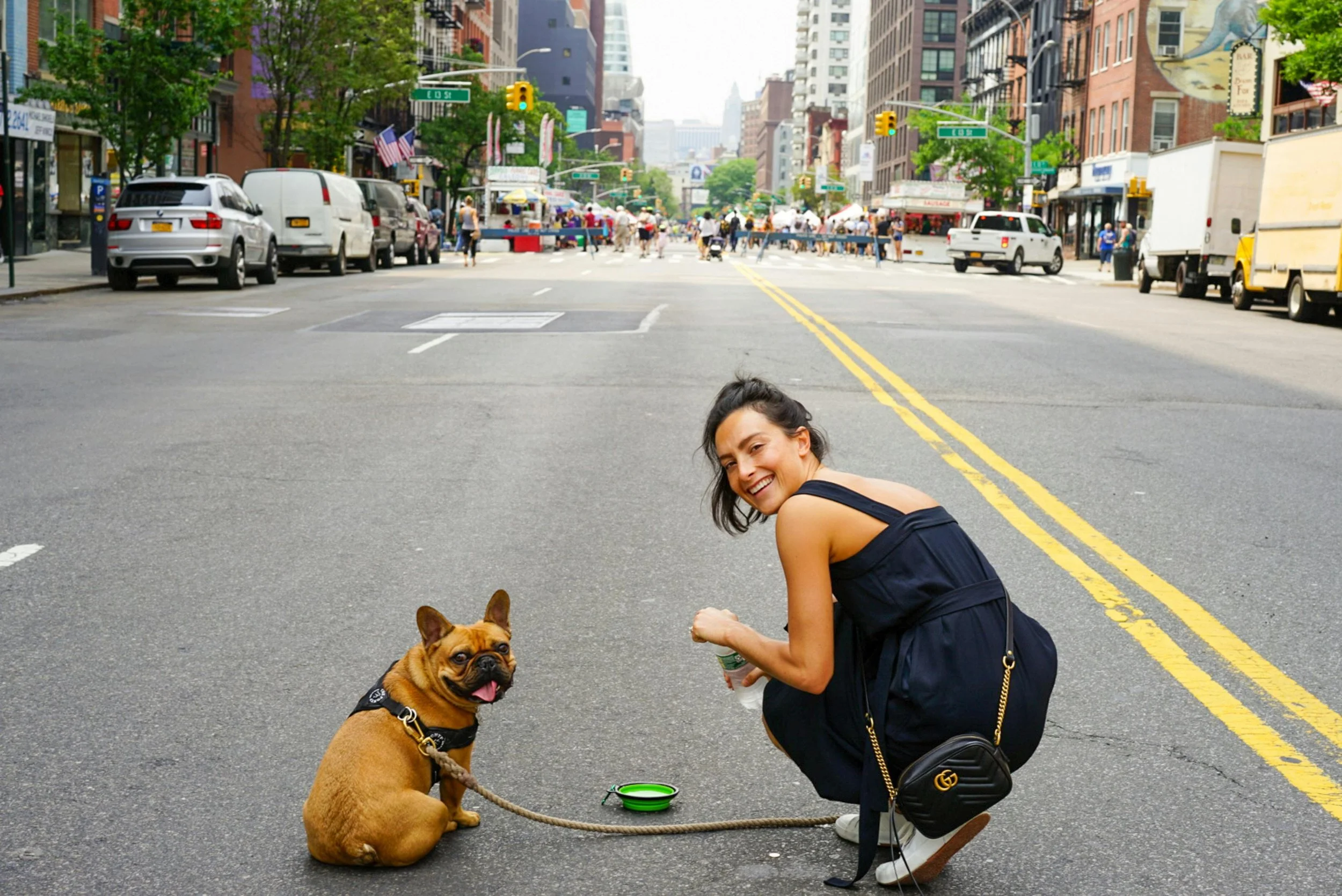
Bringing home a puppy in New York City is exciting—and at times, overwhelming. Between crowded sidewalks, sudden noises, and constant movement, the environment can feel intense for a young dog.
If you’re searching for how to socialize a puppy, the goal isn’t to expose them to everything all at once. It’s to help them feel safe, confident, and capable in a fast-moving city.
Socialization is rooted in emotional stability—not pressure. True resilience doesn’t come from them seeing everything—it comes from learning how to move through the world with confidence.
What Socialization Actually Means
Socialization is often misunderstood, especially for first-time puppy owners.
It’s not about:
Meeting as many dogs as possible
Being pet by every stranger
Visiting busy dog parks early on
Instead, socialization means teaching your puppy to:
Stay calm in new environments
Recover quickly from stress
Observe the world without reacting to everything
A well-socialized dog isn’t just “friendly”—they’re well-rounded and balanced.
What is the Puppy Socialization Period?
The puppy socialization period typically falls between 3 and 16 weeks of age. During this window, your puppy is especially open to new experiences.
Positive exposure during this time helps build lifelong confidence and reduces fear-based behaviors later on.
But there’s a catch—negative or overwhelming experiences can also stick.
In a city like NYC, where stimulation is constant, this period needs to be handled thoughtfully. The goal is not maximum exposure, but meaningful, positive exposure.
How to Socialize a Puppy in NYC (Step-by-Step)
1. Start with Calm Environments
Your puppy doesn’t need to experience the busiest parts of the city right away.
Start with:
Quiet streets
Low-traffic parks
Watching the world from a distance
Let your puppy take things in without pressure. Observation is the first step to confidence.
2. Prioritize Emotional State
When thinking about how to socialize a puppy, focus less on what they experience and more on how they feel during it.
Look for signs your puppy is:
Relaxed and curious
Able to disengage and check in with you
Not freezing, pulling, or panicking
If your puppy is overwhelmed, the environment might be too intense.
3. Introduce Noise Gradually
City sounds can be a lot—sirens, traffic, construction.
Instead of diving straight in:
Start at a distance from noise
Pair sounds with treats or play
Slowly decrease distance over time
This helps your puppy associate noise with safety, not stress.
4. Be Selective with Dog Interactions
More dog interactions don’t equal better socialization.
Avoid:
Crowded dog parks
Random leash greetings
Focus on:
Calm, well-matched dogs
Structured play sessions
Parallel walks
This teaches your puppy how to be around other dogs without getting overwhelmed.
5. Teach Neutrality Around People
In NYC, your puppy will encounter people constantly.
They don’t need to greet everyone.
Instead, teach them:
To observe people calmly
That attention isn’t guaranteed
To stay focused on you
Neutrality prevents overstimulation and builds better long-term behavior.
Puppy Socialization Checklist (For NYC pups)
Places to Go
Quiet streets → busier sidewalks
Local parks (off-peak hours first)
Pet-friendly cafés or outdoor seating
Apartment buildings (lobbies, elevators)
Public transport entrances (observe from a distance)
Groomers and vet clinics
Car rides and short trips out of the city
Things to Encounter
Sirens, traffic, and construction noise
Delivery carts, bikes, and scooters
Strollers and children’s toys
People rushing, stopping suddenly, or carrying bags
Other dogs (calm and well-matched)
Cats and small pets (at a distance)
Skills & Experiences
Wearing a harness and walking on a leash
Settling calmly in new environments
Being handled (paws, ears, mouth)
Short periods of being alone
Ignoring distractions and checking in with you
People to Meet
Different ages, appearances, and energy levels
People in hats, uniforms, or sunglasses
Joggers, cyclists, and people with strollers
Calm, dog-savvy strangers
Top socialization tip from our Far Fetched trainers: Sit with your puppy quietly on a park bench in the city. Let them watch the world go by without pressure to interact. Reward calm observation, not excitement.
A Better Way to Approach Socialization
Socialization isn’t about doing more. It’s about doing things well.
When you respect your puppy’s pace and emotional state, you shape:
Confidence
Trust
Long-term resilience
That’s what allows them to move through NYC with ease—not just survive it.
If you need support with socializing your puppy, our positive reinforcement trainers at Far Fetched Acres are here to help.
Frequently Asked Questions About Dog Socialization
What is the puppy socialization period?
The puppy socialization period typically occurs between 3 and 16 weeks of age. This is when puppies are most open to new experiences, making it a critical time to introduce them to the world in a positive and controlled way.
How does Far Fetched Acres socialize puppies?
At Far Fetched Acres, puppy socialization is thoughtful, structured, and rooted in positive reinforcement. Puppies are introduced to new people, dogs, sounds, and environments through supervised playgroups, gentle handling, and confidence-building exercises.
What does your Puppy Camp include?
Puppy Camp at Far Fetched Acres is an all-inclusive training and boarding experience designed for puppies 20 weeks and under. Our positive reinforcement trainers combine structured puppy training, socialization, and daily care in a supportive, countryside environment.