
The Ultimate Dog Training Guide: Real-Life Advice for Urban Dog Parents
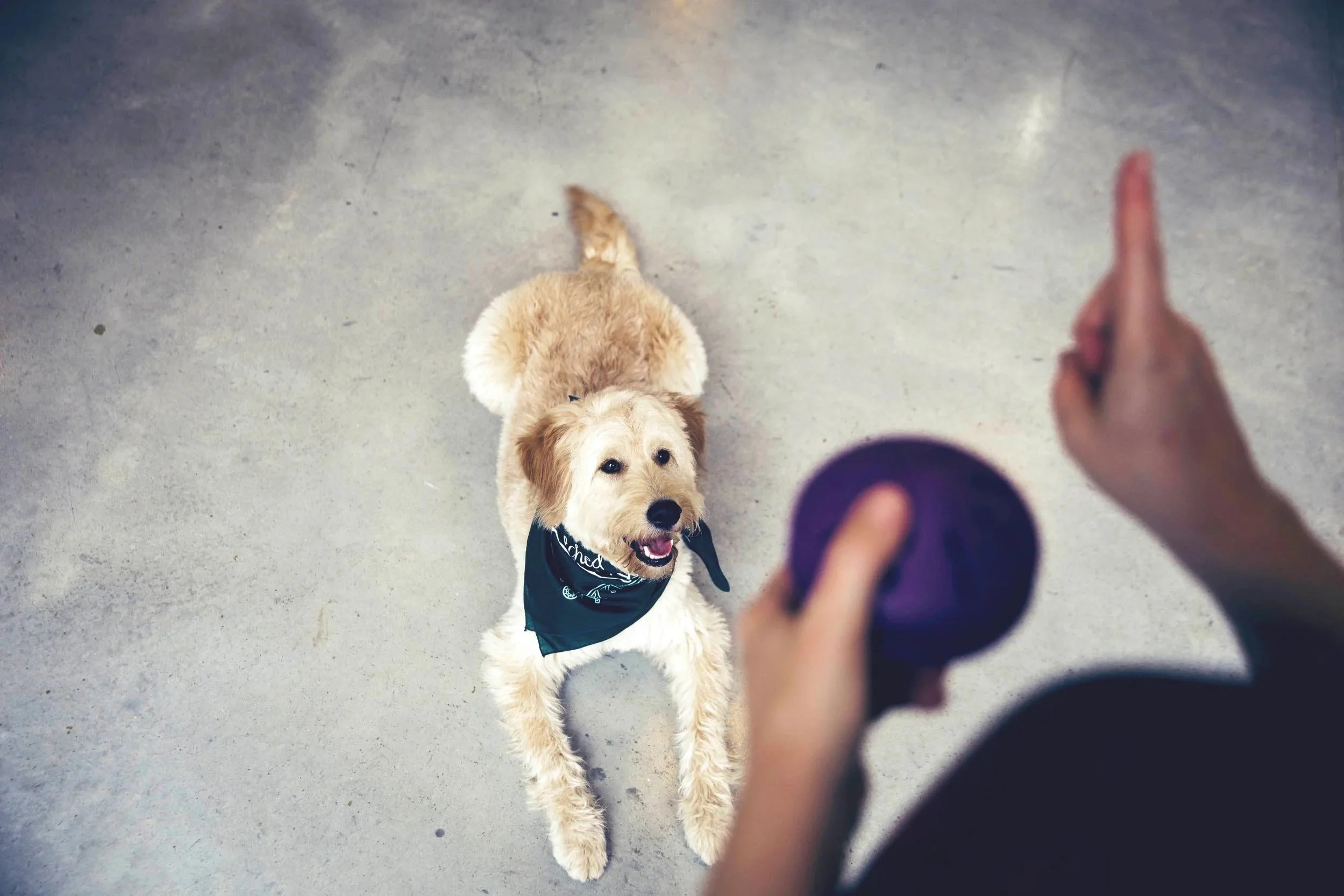
In a city like NYC, dogs are inundated by noisy streets, crowded sidewalks, sudden movement, and overwhelming smells. In that kind of environment, training a dog becomes a unique challenge.
Add to that the constant stream of conflicting advice on dog training—Use treats! Don’t use treats!—and it’s easy to feel confused… and for your dog to feel it, too.
This guide isn’t about generic dog training tips. It’s about force-free, relationship-based training rooted in clarity, consistency, and emotional safety—with real-life application for urban dogs who need support, not pressure.
What Dog Training Really Means (And What It Doesn’t)
Dog training is helping a dog move through the human world with confidence.
It isn’t dominance. It isn’t “winning.” And it isn’t suppressing behavior.
When a dog pulls, barks, or struggles to settle, they aren’t being defiant—they’re responding to stimulation or stress. In a dense city, that stimulation stacks quickly.
Force-free training focuses on teaching dogs what to do instead of punishing what not to do. It builds trust first. When dogs feel safe, they learn faster and retain skills longer.
In high-stimulation environments like NYC, training isn’t just about skills. It’s about regulation.
When Is the Best Time to Start Training Your Dog?
You are never not training your dog. Every walk, every greeting, every response you give shapes how they act and react in the future. What you reinforce grows. What you allow becomes a pattern.
Puppies are learning how the world works—elevators, traffic, close quarters with strangers. Adult or rescue dogs may be adjusting to past experiences or developing reactivity after repeated overwhelm.
Some families benefit from steady sessions at home. Others choose immersive options and decide to enroll in a dog board & train program when their dog needs deeper structure or a reset.
There’s no single right format—only what fits your dog and your environment.
Training Puppies: Building Confidence From the Start
Puppy training is about emotional foundations.
Early socialization should be positive and controlled. Dog parks may sound like a great place for meeting other dogs, but they can be unpredictable. You don’t know the temperament or training of the dogs present. One overwhelming experience during a sensitive period can create lasting fear.
Instead, choose well-matched play dates with calm, socially skilled dogs. Keep groups small. Supervise and take breaks when arousal rises.
If you’d like structured support, explore our puppy training services.
Training Adult or Rescue Dogs: It’s Never Too Late
An old dog can absolutely learn new tricks. Unlearning ingrained behaviors can be more challenging.
Progress often begins by understanding triggers. A “reactive” dog that starts pulling on the leash and barking every time you pass by another dog may just be overly excited and under-exercised. Getting a doggie treadmill and giving your dog a workout before you go for a walk may be the ticket to success.
On the other hand, reactive behavior could indicate a lack of self-confidence in the dog. In that case, you may need to build that confidence slowly by adjusting routes or increasing distance, and reinforcing calm observation before asking for engagement.
A few in-home dog training sessions with a professional can help both dogs and handlers learn the skills they need to address and overcome unwanted behaviors.
Foundational Tips to Train Dogs Successfully
No matter the dog, the framework is the same: calm, clear, consistent.
Short sessions work best. Five focused minutes in a quiet hallway teach more than a chaotic hour in a crowded park.
Calm Environments Help Dogs Learn Faster
Dogs learn best when the environment is regulated.
In NYC, stimulation stacks: a noisy walk, a tense leash interaction, an elevator surprise. When arousal builds without recovery, learning shrinks.
The solution? Introduce new skills in quieter spaces, like the 127-acre Far Fetched Acres dog training and boarding camp.
"We believe dogs learn best when they feel safe, seen, and supported,” says Jeanette Kelso, Director of Training and Behavior at Far Fetched Acres.
Once the environment is controlled, it’s okay to gradually increase complexity.
Reward the Behaviors You Want to See
Positive reinforcement strengthens behavior through timely feedback.
Reward check-ins, calm greetings, loose-leash walking, and disengagement from distractions. Timing matters more than the treat.
If you’re new to this approach, this guide on how to train a dog with positive reinforcement explains the basics.
Training Happens All Day Long
Every interaction teaches something.
Crosswalk waits. Elevator exits. Passing another dog on a narrow sidewalk. These are daily training opportunities.
Thoughtful, controlled social exposure helps prevent fear and future reactivity.
Common Training Mistakes (And How to Avoid Them)
Most challenges stem from miscommunication or environmental pressure—not “bad behavior.”
Inconsistent rules across household members: Mixed signals create confusion. Dogs rely on predictability to feel safe. Shared cues and expectations reduce stress and speed learning.
Expecting emotional regulation before it's been taught: Calm is a learned skill. Asking for obedience when a dog is already overwhelmed sets them up to fail. Teach regulation in quiet environments first.
Too much stimulation too soon: More exposure doesn't equal faster progress. Repeated overwhelm strengthens reactivity. Strategic distance, decompression time, and thoughtful pacing help you avoid or manage reactive behavior before it escalates.
Relying on correction instead of communication: Corrections may stop behavior momentarily, but they don't teach alternatives. Suppression can look calm. True regulation shows up in relaxed posture and quicker recovery. Teach what to do instead—and reinforce it.
When to Seek Professional Advice on Dog Training
Professional support may help if your dog:
Shows anxiety or increasing reactivity
Struggles to recover after encounters
Avoids once-manageable situations
Needs structured early foundations
Would benefit from a focused reset
Training is a partnership. A force-free professional can adjust the environment, clarify communication, and create a plan that fits real life.
Explore how professional training could help you strengthen the bond with your dog.
Dog Training FAQs
What does force-free dog training mean?
A force-free training approach avoids intimidation or punishment and uses positive reinforcement to build trust and confidence.
What is positive reinforcement in dog training?
Positive reinforcement means rewarding desired behaviors with treats, praise, or play, so the dog is motivated to repeat them. It's effective, humane, and strengthens the bond between dog and owner.
How long does it take to train a dog?
Training is ongoing. Progress depends on consistency, environment, and the individual dog—especially in high-stimulation settings.
Can older dogs still be trained successfully?
Yes. With patience and clarity, dogs can learn at any age.
Is professional dog training worth it?
For many families, absolutely. Personalized guidance often makes the difference between stalled progress and sustainable success—improving life for both dog and human.