
Dog Longevity Starts Long Before Old Age: An Interview with our Founder Colleen Safford
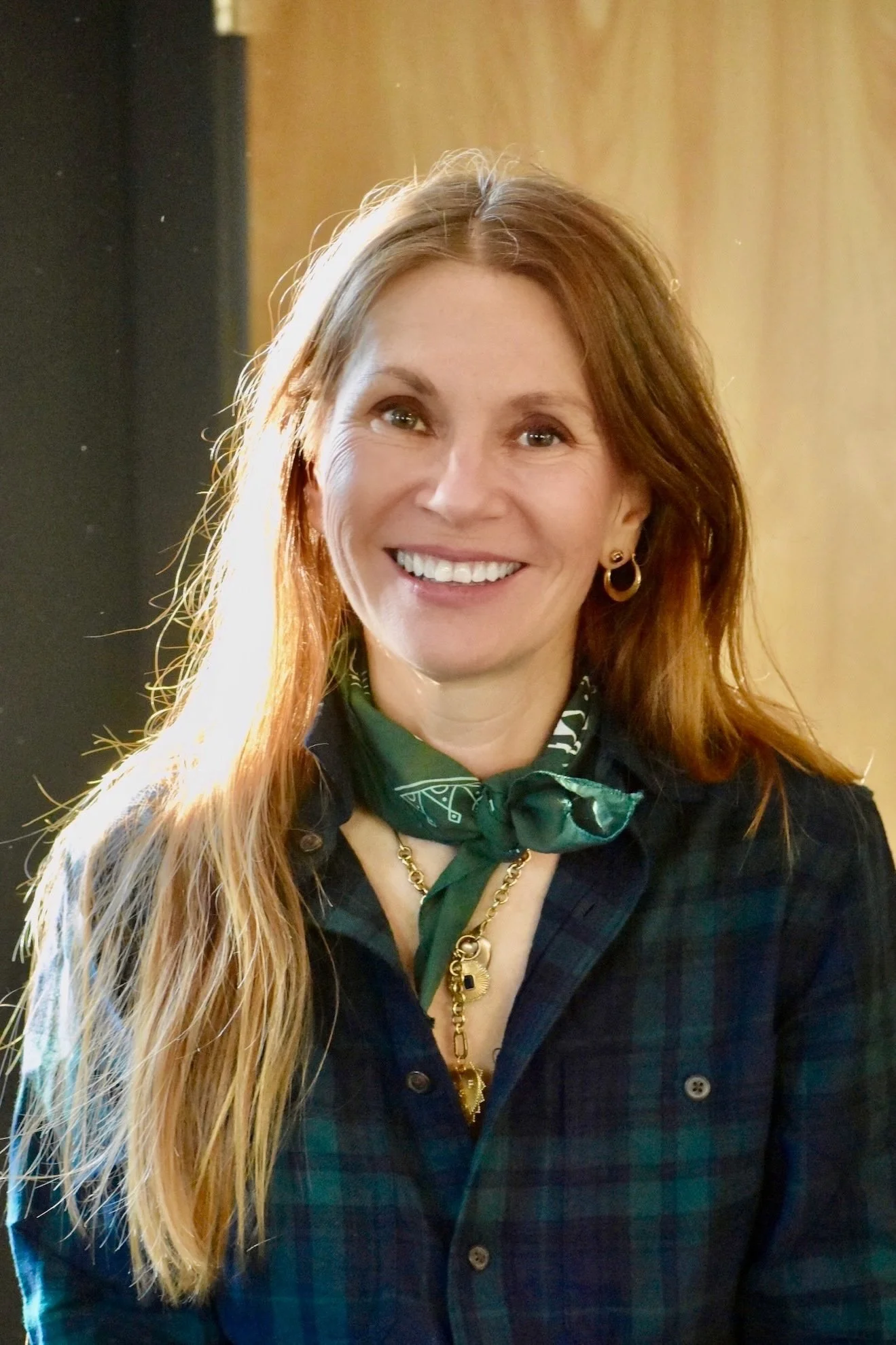
Can you tell me a bit about your background and why you wanted to start Far Fetched Acres?
Colleen: I started as a dog trainer in New York City in 2000, and I felt there was an opportunity to raise the bar in dog care. At the time, most dog walking involved large pack walks. We were among the first companies to move toward individual walks with behaviorally savvy walkers, and everyone on my team was trained in dog behavior and positive reinforcement.
Then I bought a house in the country and started bringing dogs up with me. I saw firsthand how transformative it was for city dogs to have space to run, explore, and simply be dogs. That experience became the foundation for Far Fetched Acres in 2005.
We were among the first to offer city dogs a true countryside retreat, along with one of the first positive reinforcement Board & Train programs outside New York City.
What gap did you feel existed in traditional boarding and dog care?
Colleen: Most city boarding environments can be quite cramped. Dogs simply don’t have access to the kind of movement and enrichment they naturally need.
At Far Fetched Acres, dogs can run, sniff, roll in grass, explore fields, and engage with nature. That kind of freedom doesn’t really exist in the city.
It’s beneficial physically, mentally, and emotionally.
The science around dog longevity is growing, and how we can help dogs not just live longer but live healthier for longer. What are your thoughts on that?
Colleen: Of course, it would be amazing if there were a magic solution that gave us more time with our dogs.
But what’s interesting is that the science keeps pointing back to the same fundamentals: consistent routines, healthy movement, mental enrichment, positive relationships, and opportunities to rest and reset.
We believe dogs need time to decompress, just like we do. Many city dwellers leave the city on weekends to recharge, and dogs benefit from that same change of pace.
That’s why we encourage clients to think about boarding differently. It’s not just a convenience when you travel—it can be an important part of your dog’s long-term physical, emotional, and behavioral well-being.
What do you think people underestimate about the impact city living has on dogs?
Colleen: City dogs are constantly assessing their environment. Construction sounds, traffic, alarms, crowded sidewalks, unfamiliar dogs—it’s a lot of stimulation running on loop all day long for animals who are naturally wired to monitor their surroundings.
Dogs adapt to it, but adaptation isn’t the same thing as restoration. Even very well-adjusted city dogs still need quiet, rest, and opportunities to fully relax.
What does decompression actually look like in dogs?
Colleen: Dogs in cities spend most of their lives on leash, walking at a human pace, often on hard pavement.
At Far Fetched Acres, you suddenly see completely different body language. Dogs become softer and looser. They roll in grass, sniff for long periods, run naturally, and move freely. That freedom matters. You can physically see dogs exhale when they arrive here.
Why is the countryside especially beneficial for NYC dogs?
Colleen: One of the biggest differences is that dogs can engage in natural behaviors safely.
Dog parks in cities are often highly stimulating and unpredictable. At Far Fetched Acres, playgroups are carefully curated by size, energy, and play style. Some dogs want to wrestle and run. Others simply want to sniff leaves and relax quietly. We respect both.
Dogs also have access to 127 acres of fields, trails, rock walls, trees, and open space. That level of enrichment is incredibly difficult to replicate in an urban environment!
Can regular decompression become part of a dog’s wellness routine?
Colleen: Absolutely. Ideally, we’d love to see city dogs come for regular resets—maybe once or twice a month for a few days at a time.
We even offer Midweek Escapes because we want owners to think differently about boarding. It’s not just something you do when you travel. It can become part of your dog’s overall health rhythm.
The earlier dogs begin that routine, the better. The dogs who come to us regularly honestly start to see Far Fetched Acres as a second home.
What’s one thing you wish more people understood about dog wellness?
Colleen: Positive training and positive relationships matter enormously.
Every single interaction you have with your dog shapes their confidence, nervous system, and sense of safety. When you train through understanding instead of force, you become your dog’s advocate. That relationship has a profound impact on their overall wellbeing.
